
Classic Puzzle Games Worth Playing Today
Some puzzle games never really get old. Here is what 2048, Sudoku, Sokoban, match-3, and route-planning puzzlers still do well, where they get annoying, and who they fit best.
Classic puzzle games have a funny habit.
They make newer games look noisy.
Open a good one and the rules click fast.
Move tiles. Match colors. Slide blocks. Find the path.
No battle pass. No giant tutorial. No popup shaped like a treasure chest trying to waste your lunch break.
And somehow the good ones still eat an afternoon.
That staying power is the point.
The packaging changes. The core tension does not.
This is not a greatest-hits ranking.
It is a practical look at classic puzzle formats that still hold up today.
What each one does well.
Where each one gets annoying.
And who will actually enjoy it.
That wider context matters for smaller browser puzzle sites too.
When you look at the classics, it becomes easier to see why some modern puzzle games feel clean and replayable while others feel busy for no real reason.
The Short Version
If you just want the fast read, start here:
What Makes a Puzzle Game Age Well?
Not every old puzzle game becomes a classic.
Plenty of them age like milk in a hot backpack.
The ones that survive usually share a few things:
- The rules are easy to explain.
- The decisions stay interesting after the tutorial moment is over.
- Failure feels understandable, even when it is frustrating.
- Replaying does not feel like repeating homework.
That last point matters.
A lot of games are "smart" for ten minutes.
Far fewer stay sharp after you understand the trick.
A classic puzzle game is not just easy to recognize. It keeps creating meaningful decisions after the novelty wears off.
1. 2048
What it does best
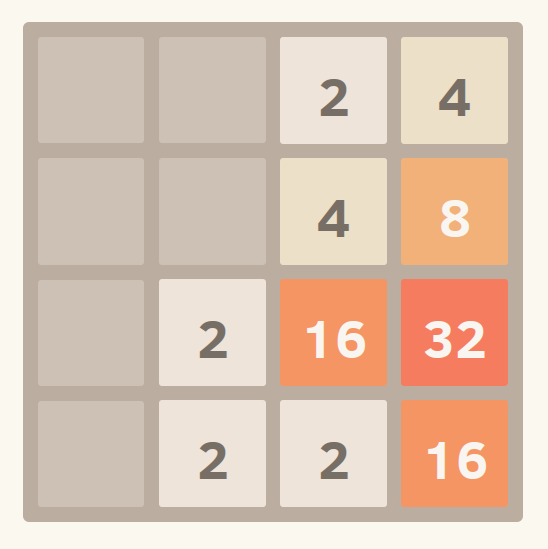
2048 is tiny.
That is part of the trick.
The board is only four by four.
The controls are obvious.
The rule looks like kindergarten math with consequences.
But the real game is not arithmetic.
It is board control.
You are protecting space.
You are preserving order.
You are trying not to make the kind of "good" merge that ruins the next five moves.
That is why it scales so well.
A beginner feels clever for making a 64 tile.
A more experienced player starts thinking about corner control, tile order, and recovery turns.
Pros
- Extremely easy to learn
- Great for short sessions
- High replay value for such a tiny ruleset
- Mistakes usually feel educational rather than mysterious
Cons
- Long sessions can start to feel samey
- New players often mistake randomness for the whole game
- Without some basic structure, runs collapse very quickly
My read
2048 earns its reputation.
It is minimalist in the good way, not the empty way.
If you want a classic puzzle game that works almost instantly in the browser, it is still one of the safest recommendations around.
If you want to test that style right away, there is a playable 2048 page.
2. Sudoku
What it does best
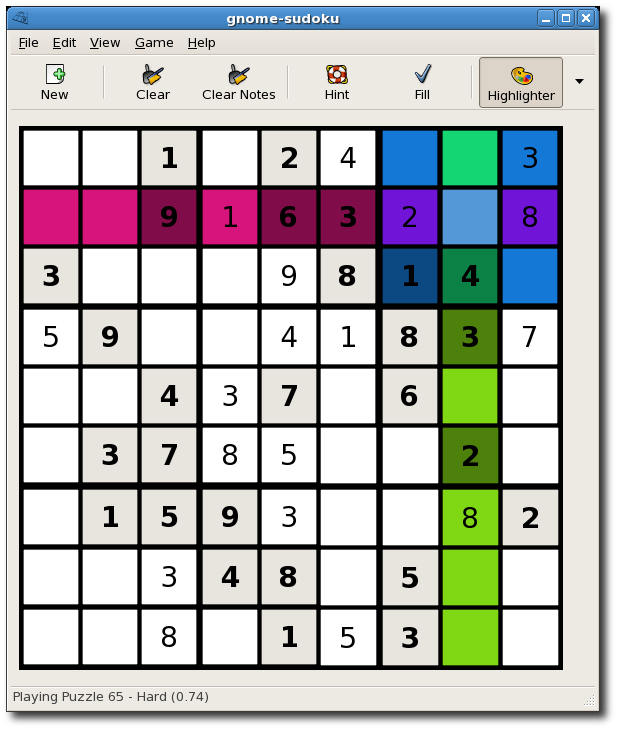
Sudoku is the cleanest "pure logic" pick on this list.
It does not need much decoration.
It does not need much luck, either.
Unlike puzzle games that drift into pattern recognition or controlled chaos, Sudoku is about deduction.
You are not waiting for the board to become nicer.
You are narrowing possibilities until the puzzle stops lying to you.
That gives it a kind of long-term dignity.
Fans usually love it for exactly that reason.
No exploding tiles.
No combo fireworks.
Just the grid, your notes, and your patience.
Pros
- Strong sense of fairness when the puzzle is well made
- Very low randomness
- Excellent for players who enjoy step-by-step reasoning
- Difficulty can scale without changing the basic rules
Cons
- Can feel intimidating to new players
- Less suited to "tiny break" play unless the puzzle is short
- A bad Sudoku grid feels mechanical instead of elegant
My read
Sudoku is not always the most inviting puzzle game.
It may be the most honest, though.
If 2048 is a snack, Sudoku is a proper sit-down meal.
3. Sliding Puzzle
What it does best
Sliding puzzles do one thing many modern puzzle games forget.
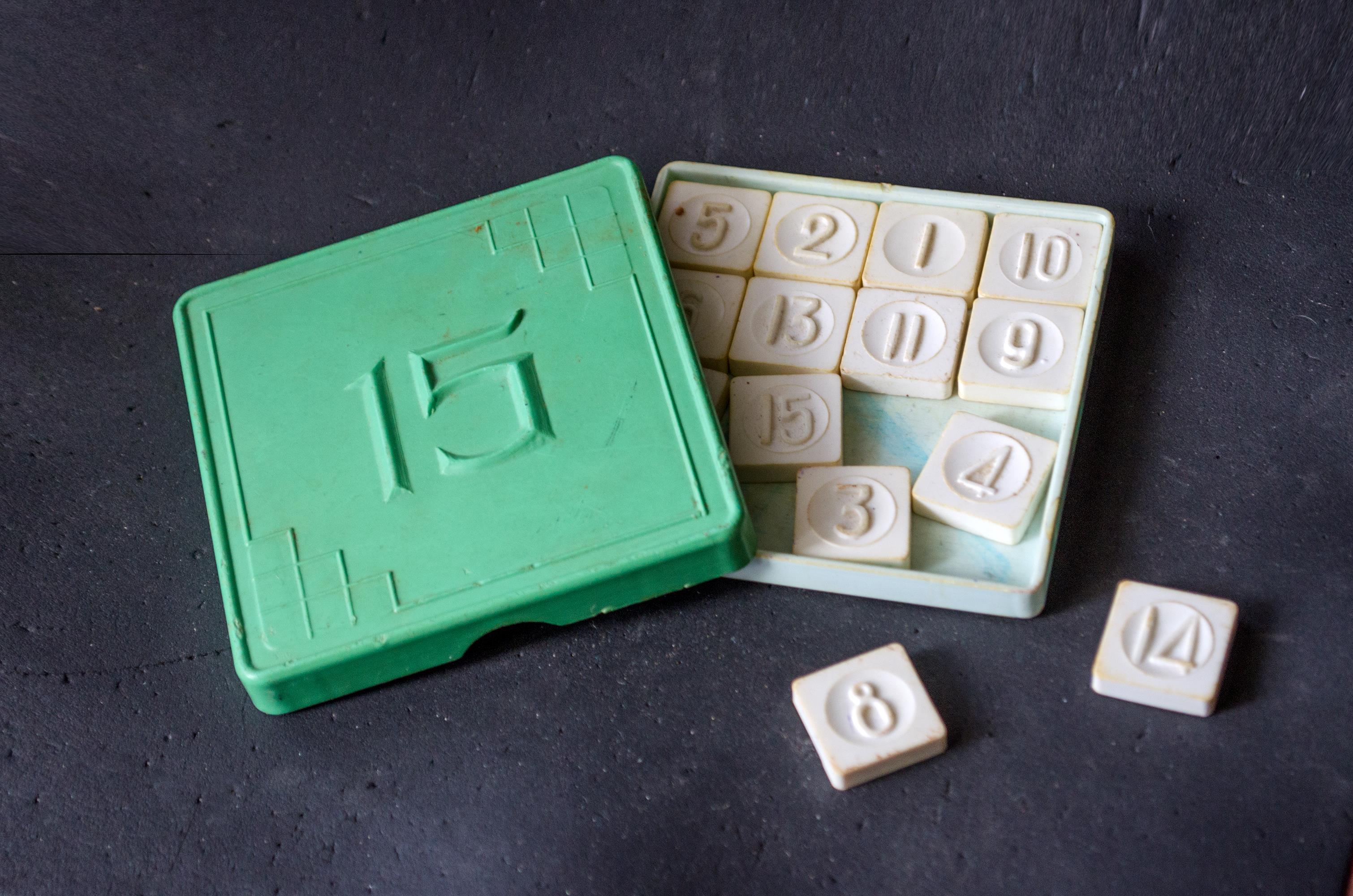
They make the goal visible.
You do not have to guess what success looks like.
You can see the target arrangement.
The problem is simply getting there without enough space.
That turns out to be a durable kind of tension.
These games are also tactile in a way that works well on touch screens and in the browser.
Even simple movement feels physical.
That helps more than people admit.
Pros
- Instantly understandable objective
- Strong spatial reasoning appeal
- Good tactile feel on mobile and browser
- Easy to introduce to almost anyone
Cons
- Variety can wear thin if the puzzle pool is limited
- Some versions feel more procedural than clever
- High difficulty can turn into patience-testing rather than insight-testing
My read
Sliding puzzles are more charming than they get credit for.
They are also easier to exhaust.
They shine when you want clarity and physicality, not endless strategic depth.
4. Match-3
What it does best
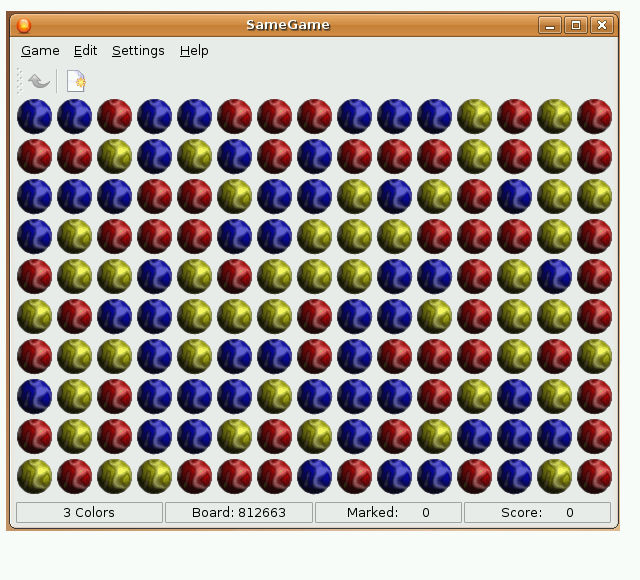
Match-3 is the people-pleaser here.
It is readable.
It is approachable.
And it rewards you almost immediately.
That matters.
Not every puzzle needs to feel like an exam.
Sometimes players just want to feel smart for a few minutes without being grilled by the board.
Good match-3 understands that.
Make a move.
Get a clear response.
See the next opportunity.
The problem is that match-3 also lives very close to the border between puzzle design and engagement design.
At its best, it is smooth and readable.
At its worst, it becomes noise, luck, and monetized inconvenience wearing a puzzle hat.
Pros
- Very easy onboarding
- Excellent feedback loop
- Works well in short sessions
- Broad appeal across different player types
Cons
- Can lean too heavily on luck or boosters
- Many versions feel more commercial than clever
- Puzzle purity is often not the point
My read
Match-3 is not overrated.
It is just copied to death.
A good one feels smooth, generous, and readable.
A bad one feels like chores wrapped in candy.
5. Sokoban
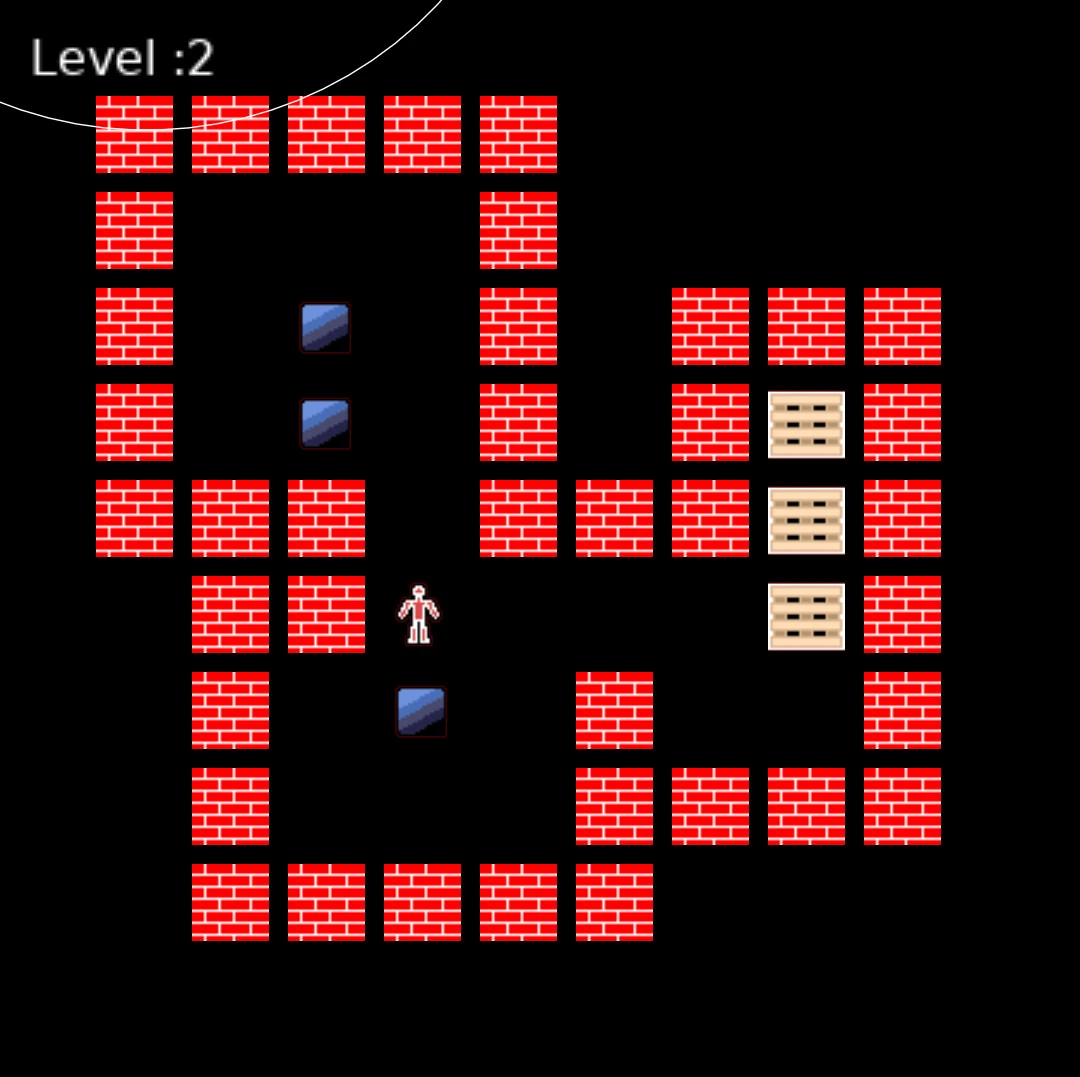
What it does best
Sokoban is the stern adult in the room.
It does not care whether you wanted a breezy little break.
It cares whether you thought ahead before pushing that box into a corner you can never recover from.
That is exactly why fans love it.
Sokoban creates a very specific kind of satisfaction.
You stop reacting.
You start respecting constraints.
And when the whole shape of the puzzle finally clicks, it feels fantastic.
When it does not click, the board looks at you like it has a point to prove.
Pros
- Deep planning with very little fluff
- Strong sense of earned solutions
- Excellent for players who love deliberate logic
- Easy to understand, hard to master
Cons
- Can be punishing fast
- Missteps often feel expensive
- Less relaxing than many casual puzzle fans expect
My read
Sokoban is simple.
It is elegant.
It is also not especially forgiving.
That combination gives it enormous staying power.
It also keeps it from being universally loved.
6. Path and Maze Puzzles
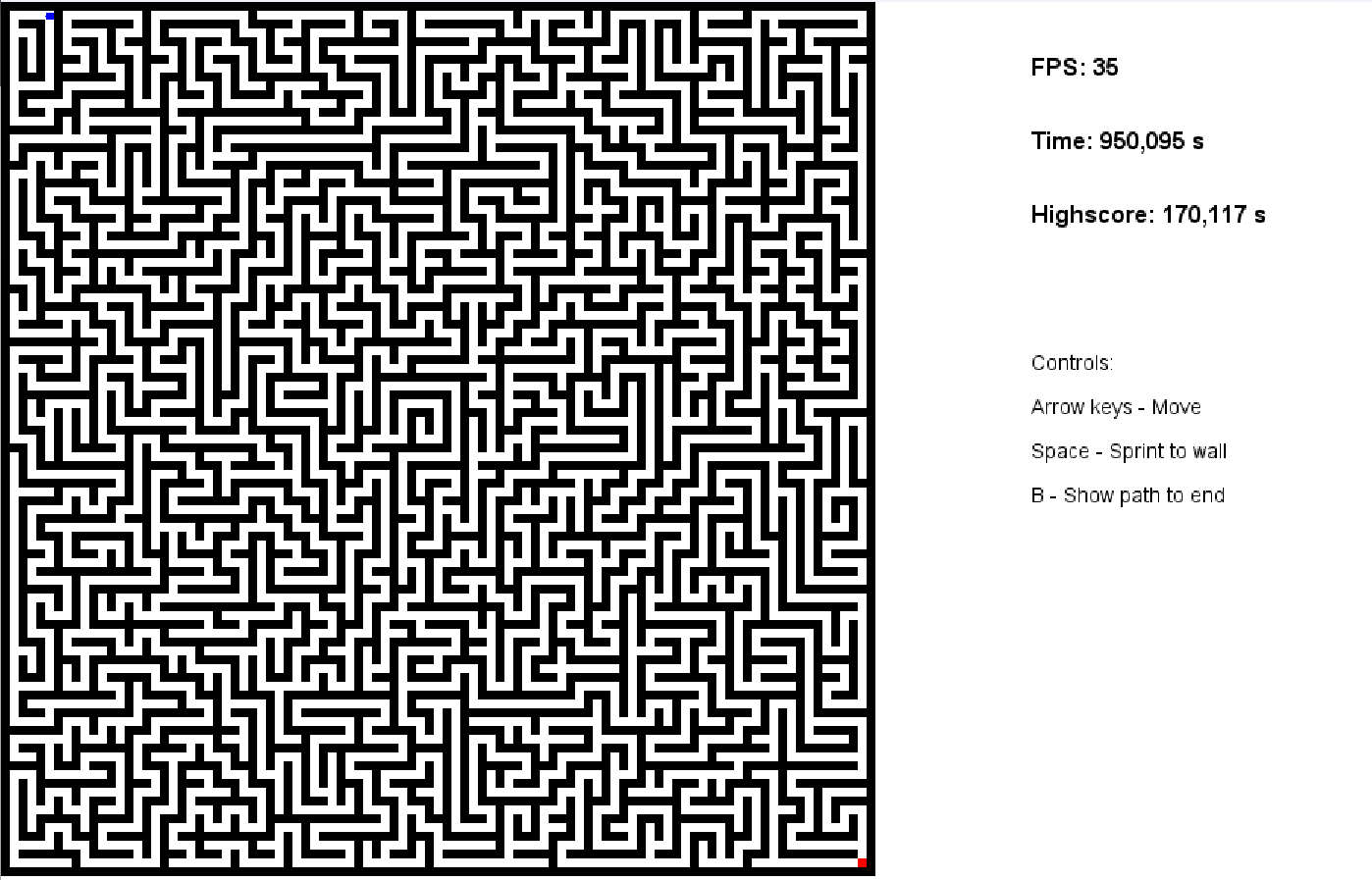
What they do best
Path and maze puzzles sit in a sweet spot that browser gaming keeps rediscovering.
They are easy to parse.
They are easy to restart.
And they usually ask one small but meaningful question:
Can you read the board before you move?
That works especially well online.
A good route-planning puzzle can feel thoughtful in under a minute.
That is a very useful trick in HTML5 design.
It is also a genre with very little room to hide.
If the board is readable, players feel smart.
If the board is noisy, or the level design is sloppy, the whole thing falls into trial and error.
Pros
- Quick to read and quick to restart
- Strong fit for browser play
- Can feel strategic without needing many systems
- Great for players who enjoy clean, visual planning
Cons
- Weak level design gets exposed immediately
- Can feel repetitive if the puzzle language never expands
- The line between "thinking" and "guessing" is very thin
My read
This is one of the best formats for lightweight browser sites.
It gives players real decisions without asking for a giant time commitment.
Some games in this family are literal mazes.
Others are cleaner board-reading games with less visual clutter.
That is part of why small browser puzzles like Arrow Escape feel so readable when they are working well.
They borrow the clarity of path puzzles without needing a giant ruleset.
If you want to see that lighter version in action, try Arrow Escape, Arrow Pathway, or The One Arrow Escape Mistake New Players Actually Make.
Which One Is Best for You?
If you want the short recommendation version, use this:
- Pick
2048if you want fast runs and strong replay value. - Pick
Sudokuif you want pure logic and low randomness. - Pick
Sliding Puzzleif you like visible goals and tactile movement. - Pick
Match-3if you want easy onboarding and a lighter mental load. - Pick
Sokobanif you enjoy hard-earned solutions and do not mind suffering a little. - Pick
Route-Planning Puzzlesif you like neat, readable strategy in short browser sessions.
That range is exactly why puzzle games still hold their place in the broader casual market.
Different subgenres solve different moods.
Some help you relax.
Some help you lock in.
Some let you feel competent in ninety seconds.
Others ask you to wrestle with one board until your coffee goes cold.
Final Thoughts
Classic puzzle games do not stay alive just because people are nostalgic.
They stay alive because the core problems are still good.
A four-by-four grid can still be compelling.
A clean number puzzle can still make you feel clever.
A box in the wrong place can still ruin your evening.
Good puzzle design ages well because it is built on readable tension, not temporary spectacle.
So if you are choosing what to play next, do not ask which one is most famous.
Ask which kind of thinking you actually want.
That question usually leads to better puzzle games and far fewer installs you regret five minutes later.
Image Credits
- 2048 screenshot: Wikimedia Commons,
2048 Screenshot.png - Sudoku screenshot: Wikimedia Commons,
Gnome-sudoku.png - Sliding puzzle photo: Wikimedia Commons,
15 puzzle.jpg - Tile-matching screenshot: Wikimedia Commons,
Ksame.png - Sokoban screenshot: Wikimedia Commons,
Glitchsokoban Screenshot.webp - Maze/path screenshot: Wikimedia Commons,
SpeedMaze.png